
Key Highlights
- An international curriculum framework fosters a global mindset from an early age by encouraging children to look beyond their local surroundings.
- Inquiry-based learning methods help students develop critical thinking and problem-solving skills through hands-on exploration.
- Early exposure to a multicultural environment ensures that children grow up with deep empathy and strong communication skills.
- Choosing a high-quality international preschool provides a seamless transition into further primary and secondary global education pathways.
Introduction
Selecting the right educational path for a child is one of the most significant decisions parents face. In an increasingly interconnected world, many families are looking for educational models that offer more than just rote memorisation. An international curriculum framework provides a robust structure that focuses on developing the whole child rather than just academic proficiency. By integrating global perspectives with localised understanding, these frameworks prepare young learners to navigate a variety of cultures and environments with confidence. This approach is particularly effective during the early years, when the brain is most adaptable and receptive to new ways of thinking.
Fostering Inquiry and Curiosity
One of the primary strengths of an international curriculum framework is its emphasis on inquiry-based learning. Instead of simply providing answers, educators encourage children to ask why and how. This method transforms the classroom into a laboratory of discovery where students take an active role in their own education. When children are allowed to explore topics that genuinely interest them, they develop a natural love for learning that lasts a lifetime. This framework does not just teach subjects in isolation but connects them to real-world contexts. By doing so, it helps students understand the relevance of what they are learning, making the educational experience far more engaging and impactful for young minds.
Holistic Development and Wellbeing
Modern education must address the physical, emotional, and social needs of a student alongside their intellectual growth. An international curriculum framework is specifically designed to be holistic. It incorporates physical education, the arts, and social-emotional learning into the daily routine rather than treating them as secondary subjects. This balanced approach ensures that children do not feel overwhelmed by academic pressure at a young age. Instead, they are given the space to develop their creative talents and physical coordination. By prioritising wellbeing, these frameworks help build resilient individuals who can handle challenges and setbacks with a positive attitude. This focus on the whole child is essential for long-term mental health and academic stamina.
The Advantage of an International Preschool
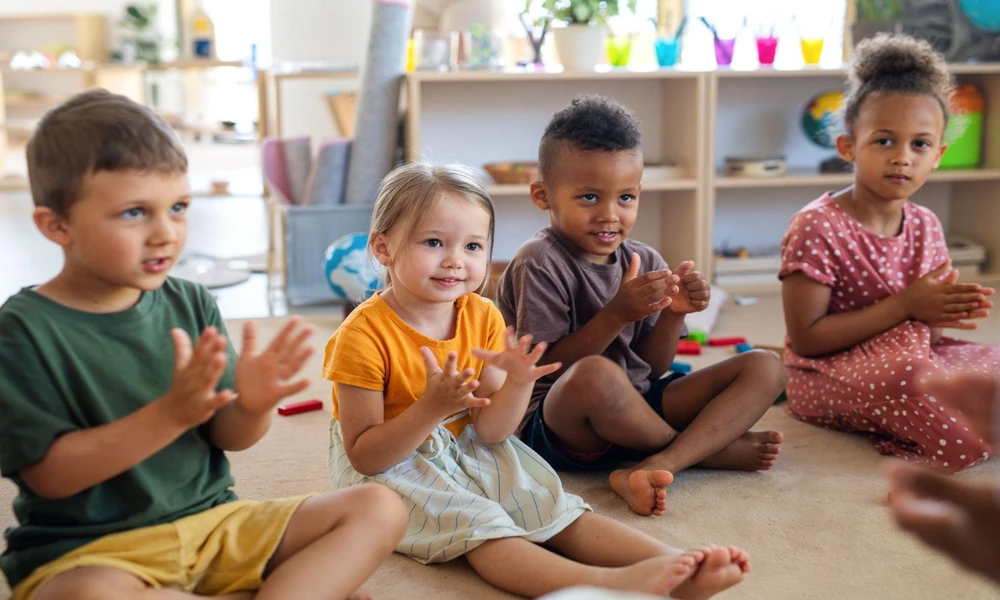
Starting this journey at an international preschool offers a unique advantage in a child’s developmental timeline. These early years are crucial for social and emotional growth. In a diverse preschool setting, children interact with peers and teachers from various backgrounds, which naturally builds their cultural intelligence. They learn to appreciate different traditions, languages, and perspectives before biases can take root. Furthermore, a high-quality international preschool focuses on self-regulation and independence. Children are taught to manage their own tasks and collaborate with others on projects. This foundation of soft skills is just as important as literacy and numeracy, as it forms the basis for successful future interactions in both personal and professional spheres.
Preparing for a Globalised Future
The ultimate goal of this educational style is to prepare children for a world that is constantly changing. The skills that are valuable today might be different in twenty years, but the ability to think critically, adapt to new cultures, and communicate effectively will always be in demand. By following a global framework, students are not confined to the requirements of a single national system. They gain a portable education that is recognised and respected worldwide. This flexibility is vital for families who may move between countries. Moreover, it instils a sense of global citizenship, encouraging children to think about their impact on the planet and their responsibility to the wider community from a very young age.
Conclusion
An international curriculum framework offers a comprehensive and forward-thinking approach to early education. By focusing on inquiry, diversity, and holistic growth, it equips children with the tools they need to thrive in the twenty-first century. Starting this process in a nurturing environment allows children to build the confidence and curiosity required for lifelong success. Whether a family stays in one location or moves globally, the benefits of such a well-rounded foundation remain constant and invaluable.
Contact EtonHouse today to discover how our unique approach to learning can benefit your child.
