
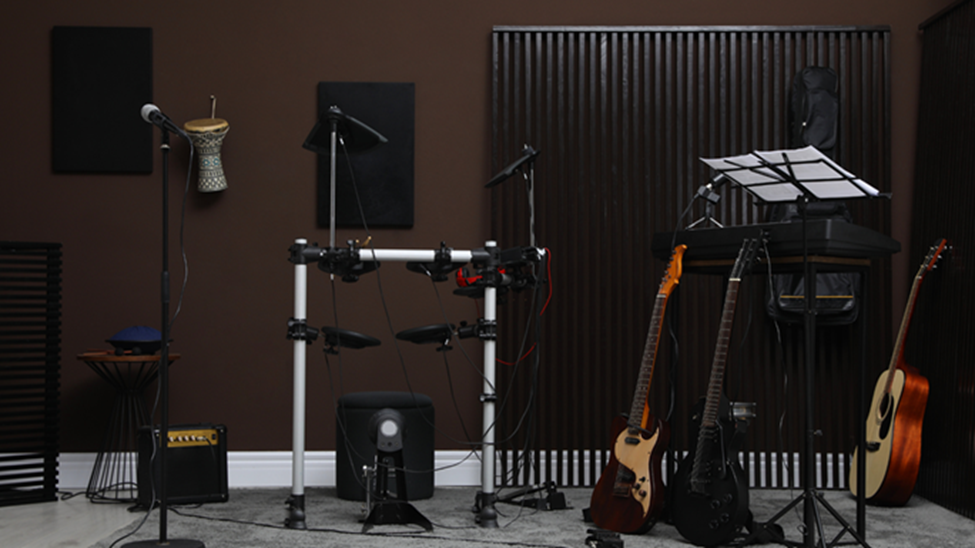
Practice rooms are the engine of your progress—but demand is real, especially mid-semester and before juries. With a few strategic moves, you can secure more hours, waste fewer minutes, and earn a reputation that gets you greenlit for prime slots. Here’s a field guide to booking smarter and practicing better.
1) Map the true peak hours
Every campus has rhythms. Mornings (7–10 a.m.) and late evenings (after 9 p.m.) are usually light; Mondays surge, Fridays dip. Keep a two-week log of when rooms are actually in use near your instrument area. Use it to target “soft spots” and build a recurring schedule—consistency beats last-minute scrambles.
2) Book in blocks, not fragments
If the system allows 60-minute slots, request back-to-back reservations and plan your set list accordingly (technique → rep fixes → performance reps). Two continuous hours are far more productive than three scattered singles—less setup/teardown, more flow.
3) Become a waitlist ninja
If there’s a digital queue, enable push notifications and act fast on cancellations (they spike 30–60 minutes before start times). In person, make friends with the front desk: a polite “If anything frees up between 2 and 4, I can be here in five minutes” often pays off.
4) Build a 90-second setup routine
Time yourself from door to first note. Aim for 90 seconds: stand unfolds, pencils out, tuner on, metronome ready, device on airplane mode, water down, score open to warm-up. Pack a “micro-rig” pouch—clip-on tuner, small interface, earbuds/in-ears, pencils, sticky notes, cloth, gaffer tape, spare strings/reeds, and a USB stick.
5) Standardize your practice template
Print or keep a one-page template: goals for the session, three problem spots with bar numbers, tempos, and a quick post-run reflection. You’ll waste less time deciding what to do and more time doing it. Add a QR to your reference playlist or drone tones for immediate access.
6) Use the silent toolkit for overflow spaces
Can’t get a room? Fall back to your “quiet pack”: heavy practice mute, rubber practice pad, breath builder, and low-volume exercises (fingerings, solfege, mental play-throughs). Hallways and courtyards aren’t ideal, but they’re better than losing momentum. When in doubt about where to practice at music college, ask student services which lounges or multipurpose rooms allow low-volume work at off-peak hours.
7) Follow the 40/40/20 rule
Structure sessions for results:
- 40% Maintenance: tone/long tones, scales, rudiments.
- 40% Problem-solving: isolate, slow, loop, and rebuild troublesome bars.
- 20% Performance reps: full-length runs with a camera rolling.
This balance keeps fundamentals strong without sacrificing polish.
8) Film first takes, not just last takes
Set your phone on a small tripod the moment you arrive. Recording the first rep captures honest issues and forces faster adjustments. Keep clips short; review between sections, not after the session, so the feedback immediately shapes the next pass.
9) Practice room etiquette that buys goodwill
Arrive on time, end on time, and leave the space spotless—chairs reset, stands lowered, no tape residue, no dust from rosin or drumheads. Wipe keys/stands, coil cables, close windows. If you borrow a piano bench or extra stand, return it. Staff notice; so do peers—and they’ll swap slots with you later when you ask.
10) Sound discipline = fewer complaints
Close doors fully, use door sweeps if provided, angle speakers away from shared walls, and place a rug under stands or pedals to reduce thumps. For vocalists, start with semi-occluded exercises (straw/phonation) to warm up quietly; for drummers, lead with pad work and move to kit later. Being loud last protects your time.
11) Pair up and rotate
Book with a practice buddy who shares your hours. You each get guaranteed time and an immediate audience. Trade 20-minute blocks: one plays, one time-stamps feedback (“intonation drifts at bar 36,” “tempo rushes after fill”). You’ll get double the ears without needing a faculty slot.
12) Stack micro-sessions around classes
When prime blocks are gone, stack 25–35-minute sessions before/after lectures. Micro-sessions are perfect for slow practice, articulation grids, and spot-work that rarely survives long blocks. Reserve long endurance reps for your longest booking of the week.
13) Pre-flight checks to avoid time sinks
Before hitting the room, print or preload scores (avoid hunting PDFs), charge your device, update your DAW/plugins at home, and tune/replace strings/reeds in advance. Put the metronome and drone at the top of your home screen. Five minutes saved at the start compounds across the week.
14) Communicate like a pro
If you’ll be five minutes late or need to yield the room early, tell the desk or the next student. If you borrowed something, leave a note. Clear communication prevents complaints that jeopardize your booking privileges.
15) Close with a “future-you” buffer
End five minutes early to log tempos, mark wins, and set tomorrow’s first drill. Take a quick photo of marked passages so you can begin at the exact bar next time. A tidy exit makes a powerful entrance tomorrow.
A sample high-yield week
- Mon AM (60 min): Tone + scales, problem spots A/B, one filmed run.
- Wed PM (90 min): Sectional rebuild, endurance reps, mock performance.
- Fri midday (2×30 min): Two micro-sessions bracketing class; articulation drill + slow practice.
- Sun evening (45 min): Light touch, mental run-through, plan next week.
The real hack isn’t just getting more minutes—it’s making every minute convert. With smart booking, frictionless setup, disciplined structure, and respectful etiquette, you’ll practice more, get better faster, and earn the kind of reputation that opens doors and unlocks extra time when crunch week hits.
