
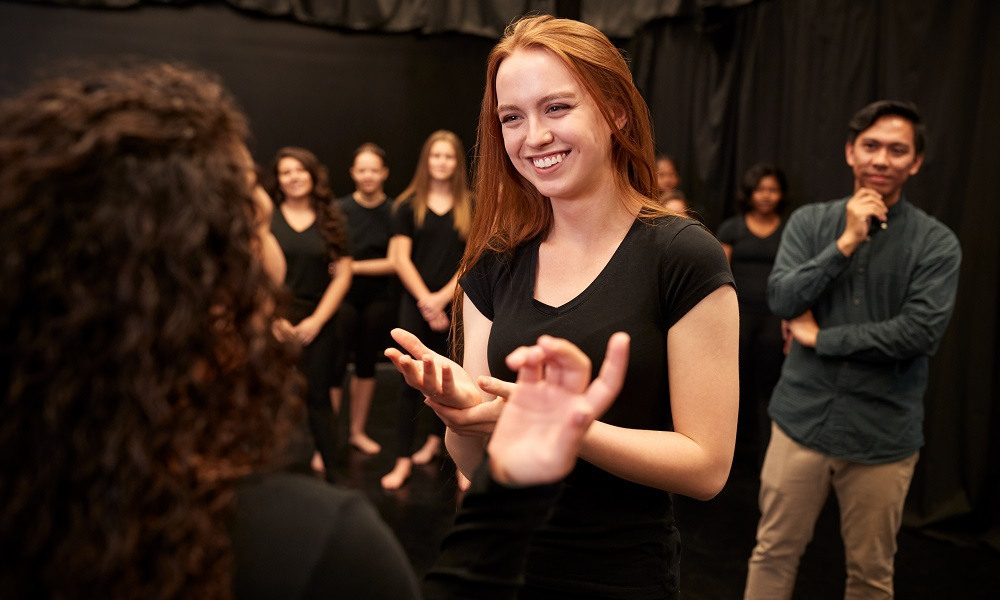
Why Speech and Drama Classes Matter for Personal Growth
A speech and drama class can transform how you express yourself in daily life. These classes teach students to project their voice, control their body language, and communicate with clarity. The skills learned extend far beyond the theatre, helping people in job interviews, presentations, and social situations.
The Foundation Skills You’ll Learn
Every quality speech and drama class starts with basic voice projection techniques. Students learn to breathe properly from their diaphragm, which creates a stronger, more confident speaking voice. These breathing exercises also help reduce anxiety when speaking in front of others.
Articulation training forms another core element of drama education. Clear speech patterns help listeners understand your message without strain or confusion. Students practice tongue twisters, vowel sounds, and consonant combinations to develop crisp pronunciation.
Physical expression complements vocal training in comprehensive programmes. Students learn how posture, gestures, and facial expressions support their spoken words. This body awareness helps create a commanding presence whether on stage or in everyday conversations.
Different Types of Speech and Drama Classes Available
Traditional Theatre-Based Programmes
Theatre-focused classes centre around script work and character development. Students explore different roles, which helps them understand various perspectives and emotional ranges. This type of speech and drama class often culminates in a performance for family and friends.
These programmes typically include improvisation exercises that build quick thinking skills. Students learn to respond naturally to unexpected situations, which builds confidence in real-world scenarios. The collaborative nature of theatre work also develops teamwork and listening skills.
Scene study forms a major component where students analyse texts for meaning and emotion. This analytical approach helps develop critical thinking whilst improving reading comprehension. Students learn to find subtext and deliver lines with appropriate feeling and intention.
Public Speaking and Presentation Classes
Some speech and drama class options focus specifically on public speaking skills. These programmes teach students how to structure speeches, engage audiences, and handle nerves effectively. Students practice with different types of presentations, from formal speeches to casual talks.
Debate training often features in these classes, helping students learn to argue points logically and respectfully. This skill proves valuable in academic settings and professional environments where clear reasoning is essential. Students develop the ability to think on their feet whilst maintaining composure.
Storytelling techniques help students learn to captivate listeners through narrative structure. These skills transfer to many situations, from business presentations to social gatherings. Students discover how to use pacing, emphasis, and emotional connection to hold attention.
Creative Expression and Devised Work Classes
Modern speech and drama class formats often include devised theatre, where students create original works. This approach encourages creativity whilst developing all the traditional skills of voice and movement. Students learn to collaborate in generating ideas and bringing them to life.
Poetry and prose performance classes focus on interpreting written works for an audience. Students learn to find rhythm, meaning, and emotion in various literary forms. This type of work improves reading skills whilst building appreciation for language and literature.
Movement-based drama incorporates physical theatre techniques that don’t rely heavily on dialogue. Students explore how to tell stories through gesture, facial expression, and body positioning. This training helps develop non-verbal communication skills that enhance all forms of personal interaction.
What to Look for When Choosing Classes
Qualified Instructors and Teaching Methods
Look for instructors with proper training in both performance and education techniques. Experienced teachers understand how to break down complex skills into manageable steps for students. They should demonstrate patience and create a supportive environment where students feel safe to take risks.
The teaching methodology should balance individual attention with group activities. Students need personal feedback to improve specific areas whilst benefiting from ensemble work. A good speech and drama class provides opportunities for both intimate coaching and collaborative projects.
Class size affects the quality of instruction students receive during sessions. Smaller groups allow for more personalised attention and frequent performance opportunities. However, some group activities require adequate numbers to function effectively, so balance is key.
Age-Appropriate Content and Progression
Choose programmes that offer material suitable for the student’s developmental stage and interests. Younger students need more games and movement-based activities to maintain engagement. Older students can handle more complex character work and analytical discussions about performance techniques.
Progressive skill building ensures students don’t become overwhelmed or bored with the material. Each session should build upon previous learning whilst introducing new challenges. A well-structured speech and drama class provides clear milestones that students can recognise and celebrate.
Assessment methods should focus on personal growth rather than comparison with others. Students develop at different rates, and confidence grows best in non-competitive environments. Look for programmes that emphasise effort, improvement, and creative risk-taking over perfection.
The Long-Term Benefits Beyond the Classroom
Students who complete speech and drama classes often report increased confidence in social situations. The skills learned help them express ideas more clearly and connect with others more effectively. These communication improvements benefit academic performance and future career prospects.
Professional opportunities may arise from the connections and skills developed in these classes. Many careers require strong presentation skills, from teaching to sales to leadership roles. The training provides a solid foundation for anyone who needs to communicate persuasively with others.
Personal fulfilment comes from discovering new aspects of creative expression and self-confidence. Students often find hidden talents and interests that enrich their lives long after classes end. The journey of self-discovery through performance can be transformative and deeply rewarding for participants of all ages.
