
Key Takeaways
- Consistent training develops exceptional physical coordination and core strength.
- Ballet fosters a unique sense of discipline and time management in young learners.
- Regular practice builds mental resilience and the ability to handle constructive feedback.
- Long-term engagement with a ballet studio creates lasting social bonds and community.
Introduction
Have you ever watched a professional dancer move across the stage and wondered how they make it look so incredibly effortless? The truth is that behind every graceful leap and steady pirouette lies years of unwavering dedication. For many parents, the journey begins with enrolling their child in ballet lessons in Singapore to help with posture or perhaps just to burn off some extra energy. However, the true value of this art form only reveals itself over time. It is not just about the pink tutus or the satin shoes; it is about the quiet strength that grows within a student year after year. Honestly, the lessons learned in the studio tend to spill over into every other area of life. You know what? While many hobbies come and go, the foundation laid during regular dance practice remains for a lifetime. It is a commitment that shapes both the body and the character in profound ways.
Physical Development and Body Awareness
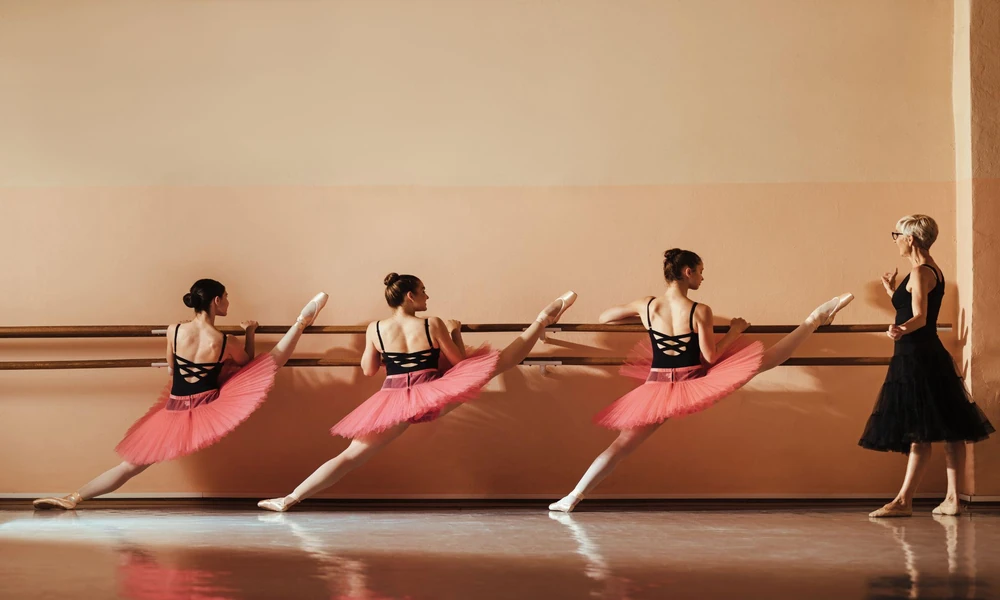
One of the most obvious benefits of staying with ballet is the incredible physical conditioning it provides. Unlike many sports that focus on a specific set of muscles, ballet requires the use of the entire body. From the tips of the toes to the crown of the head, every muscle is engaged. Over several years, students develop a level of core strength and flexibility that is rare in other disciplines. This isn’t just about doing a split; it’s about having the functional strength to support the spine and maintain a tall, confident carriage. You might notice that long-term dancers often walk with a certain poise that sets them apart. This deep sense of body awareness means they are less likely to suffer from injuries in daily life because they understand how to move efficiently and safely.
Furthermore, the complexity of ballet choreography challenges the brain just as much as the legs. Memorising long sequences of steps while maintaining perfect form requires intense neurological coordination. As students progress through more difficult levels at a ballet studio in Singapore, they develop a sharp mental-physical connection. This coordination often translates to success in other physical activities, from swimming to tennis. Even as they grow older, this foundation of fitness helps maintain joint health and a healthy metabolism. It is a gift of health that keeps on giving long after the dance shoes are retired. Have you ever considered how few activities truly train the mind and body so harmoniously? This holistic physical development is perhaps the most practical reason to stick with the craft.
The Gift of Discipline and Perseverance
In a world of instant gratification, ballet teaches a very different lesson: that anything worth doing takes time and hard work. You cannot master a double turn or a perfect extension in a single afternoon. It takes hundreds, sometimes thousands, of repetitions to get it right. By attending ballet lessons consistently, children learn the value of “delayed gratification.” They understand that frustration is just a part of the process and that mistakes are actually stepping stones toward improvement. This kind of grit is invaluable in today’s academic and professional environments. When a student faces a difficult maths problem or a challenging project at work later in life, they draw on that same perseverance they learned at the barre.
This discipline also extends to time management. Balancing schoolwork, family time, and a regular dance schedule requires a high degree of organisation. Dancers learn early on how to pack their bags, manage their energy, and stay focused even when they are tired. It is a quiet kind of maturity that develops without the child even realising it. They learn to respect the clock and their peers, understanding that being late or unprepared affects the whole class. Honestly, this structured lifestyle creates a sense of stability and purpose. By the time they reach their teenage years, these habits are so deeply ingrained that they become a natural part of their personality. They don’t just “do” ballet; they become disciplined individuals who know how to set and achieve goals.
Building Mental Resilience and Emotional Intelligence
Ballet is an art of perfection, and that means receiving constant corrections from instructors. For a young learner, this can be tough. However, over time, they learn that a correction is not a criticism of their person, but a tool for their growth. This builds a thick skin and a healthy relationship with feedback. Instead of being discouraged, they become eager to hear how they can do better. This mental resilience is a huge advantage in any career path. In a professional ballet studio, students are also encouraged to express their emotions through movement. This provides a healthy outlet for stress and helps them navigate the complexities of growing up. It’s a safe space where they can be vulnerable and strong at the same time.
There is also a significant cognitive boost that comes with musicality. Dancers must interpret the rhythm, tempo, and mood of the music while executing their steps. This multitasking sharpens the mind and enhances emotional sensitivity. You know what? Many students find that the studio is the one place where they can truly “switch off” from the pressures of the outside world and focus entirely on the present moment. This mindfulness reduces anxiety and builds a calm, centred mental state. It is a form of active meditation that supports mental health during the turbulent years of adolescence. The emotional intelligence gained from understanding both their own bodies and the music they dance to creates a well-rounded, empathetic individual who can handle life’s ups and downs with grace.
Social Connections and a Sense of Community
Finally, we cannot overlook the incredible social benefits of consistent training. When children attend ballet lessons year after year, they grow up alongside their classmates. They share the nerves of exams, the excitement of performances, and the exhaustion of long rehearsals. This creates a bond that is often stronger than typical school friendships. They become a team, supporting each other through every challenge. The ballet studio becomes a second home-a place where they feel they truly belong. This sense of community is vital for a child’s social development and provides a strong support network during their formative years. It’s about more than just dancing; it’s about finding your tribe and growing together.
These social skills also include learning how to work as part of a group. In group dances, or “corps de ballet,” everyone must move as one. This requires an acute awareness of others and a willingness to compromise for the good of the performance. They learn to communicate without words, picking up on the subtle cues of their fellow dancers. This level of teamwork is a high-level social skill that is highly valued in any modern workplace. Even after they stop dancing, many former students remain close friends for decades. They share a history of hard work and shared passion that is hard to replicate elsewhere. The studio isn’t just a place of learning; it’s a place where lifelong memories and connections are forged.
Conclusion
The journey through ballet is a long and winding road, but the rewards at the end are immeasurable. From the physical strength and grace that define a dancer’s carriage to the mental toughness and social bonds formed in the studio, the benefits touch every part of a person’s life. By committing to regular practice at a ballet studio in Singapore, students gain far more than just technical skill; they gain a toolkit for living a successful, disciplined, and healthy life. It is an investment in their future that pays off in ways you might never have expected when they first put on their tiny leather slippers. If you are looking for an activity that builds character as much as it builds muscle, you have found it. To begin your journey, please contact us at AQ Dance.
