
Key Highlights
- Practical laboratory experience translates theoretical knowledge into tangible skills.
- Consistent practice with apparatus reduces examination anxiety and improves accuracy.
- Students learn to troubleshoot experimental procedures in real-time.
- Lab-focused instruction builds confidence in observation and data recording.
- Mastery of laboratory techniques directly supports higher achievement in practical assessments.
Introduction
Chemistry is often perceived as an abstract science, confined to textbook equations and theoretical concepts. However, the true essence of the subject lies in the laboratory, where theories are tested and chemical principles come to life. For students navigating the rigours of their academic journey, mastering the practical component of their coursework is as critical as understanding the syllabus content. This is where the value of dedicated, lab-focused pure chemistry tuition becomes evident. By prioritising hands-on experience, students gain the dexterity and analytical mindset required to excel in modern assessment formats, which increasingly favour the ability to apply scientific knowledge in real-world scenarios.
Bridging the Gap Between Theory and Practice
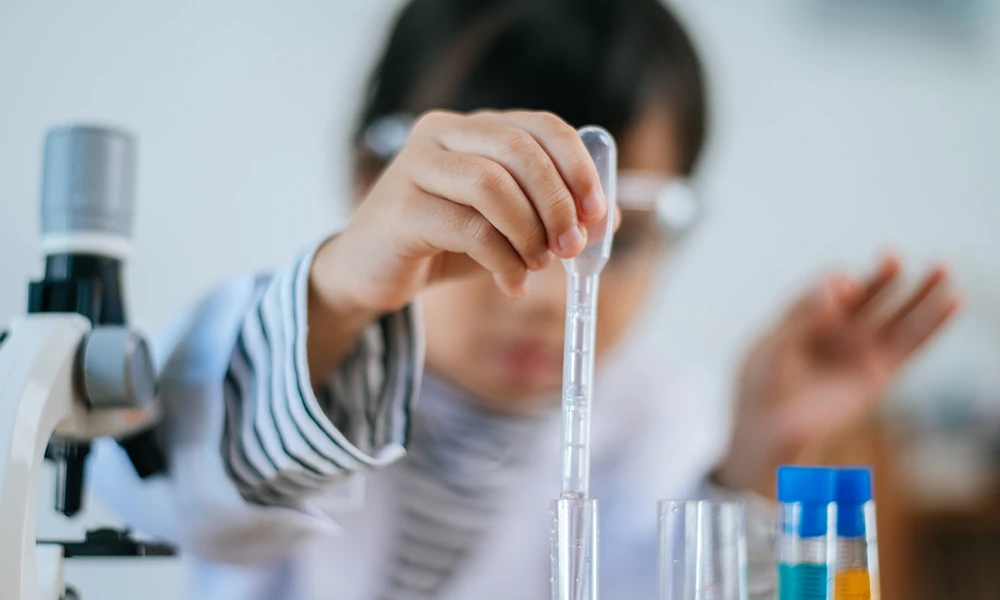
The primary challenge many students face during practical assessments is the disconnect between understanding a reaction in theory and executing it in a laboratory setting. A well-structured programme for pure chemistry tuition bridges this gap by providing ample opportunity for students to manipulate apparatus and handle chemicals under expert supervision. This hands-on engagement is transformative. Instead of merely memorising the steps to a titration or the procedure for qualitative analysis, students develop a deep understanding of the “why” and “how” behind each action. This deep-seated knowledge allows them to navigate laboratory experiments with fluidity, reducing the likelihood of errors during high-stakes assessments.
Developing Precision and Analytical Rigour
In the examination hall, precision is paramount. Whether it is reading a burette with accuracy or ensuring the correct concentration of a reagent is used, minor mistakes can lead to significant discrepancies in results. Lab-focused pure chemistry tuition provides a controlled environment where students can refine their motor skills and attention to detail. Regular exposure to laboratory equipment fosters a level of familiarity that turns complex tasks into second nature. Furthermore, students learn the importance of meticulous record-keeping. They are trained to observe colour changes, effervescence, and precipitation with a discerning eye, ensuring that every piece of data collected is robust and reliable. This analytical rigour is a hallmark of a student who has been properly prepped for hands-on assessment formats.
Cultivating Problem-Solving Skills under Pressure
Practical assessments rarely go exactly as planned. Variables such as room temperature, purity of samples, or minor equipment fluctuations can alter expected outcomes. A critical component of effective pure chemistry tuition is teaching students how to troubleshoot. When an experiment yields an anomalous result, a student must be able to analyse the situation, identify potential sources of error, and implement corrective measures swiftly. This capability is not innate; it is cultivated through consistent practice and exposure to various experimental outcomes. By challenging students to solve problems in real-time, tutors empower them to remain calm and focused, ensuring they perform at their best even when faced with unexpected laboratory conditions.
ALSO READ: The Role of Tutors in Beating Exam Stress for Chemistry Students
Building Confidence through Mastery
Confidence is a decisive factor in examination performance. Many students experience anxiety when entering a laboratory for an assessment because they fear the unknown or worry about failing to execute a procedure correctly. Immersion in regular, lab-focused pure chemistry tuition removes this element of fear. When a student has spent hundreds of hours in a laboratory, the equipment ceases to be intimidating. The process of planning an investigation, setting up apparatus, and executing the experiment becomes a routine exercise rather than a source of stress. This composure allows the student to focus entirely on the task at hand, leading to higher accuracy and better grades.
Conclusion
The transition from theoretical learning to practical application is a journey that requires guidance, patience, and practice. By integrating lab-focused pure chemistry tuition into their study routine, students secure a significant advantage. They are not merely learning to follow a recipe; they are developing the analytical mindset, precision, and problem-solving abilities that define a successful scientist. As examination formats continue to evolve, placing greater emphasis on practical competency, the skills gained through such dedicated tuition will undoubtedly remain a cornerstone of academic success.
Contact us today at The Chemistry Practice to find out how our specialised laboratory sessions can prepare you for academic success. Our expert tutors are ready to help you master the practical skills necessary for your examinations.
