
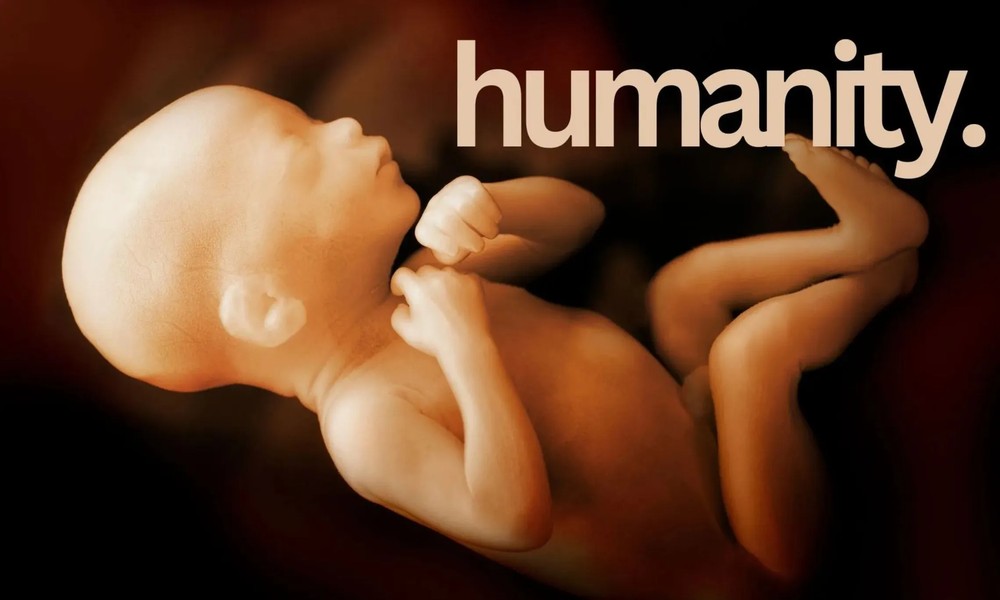
Exploring the Meaning of the Sanctity of Human Life
The sanctity of human life is a key idea in many faith traditions. It teaches that every human life has value and dignity. This belief encourages respect and care for people at every stage of life.
Today, discussions about the sanctity of life are becoming more common. Advances in science, medicine, and technology often raise new ethical questions. Because of this, people need clear guidance to understand how faith and ethics apply to modern situations. Learning about these principles helps individuals respond thoughtfully and compassionately to real-life concerns.
Why the Sanctity of Life Remains an Important Principle
Modern life presents many situations that require careful moral thinking. Questions about healthcare, caregiving, and end-of-life decisions often involve deep ethical reflection. The principle of the sanctity of human life offers a strong foundation for making responsible choices.
Communities often rely on faith-based perspectives when discussing sensitive topics. By studying the sanctity of life, individuals can better understand how to approach difficult conversations with empathy and clarity.
This knowledge is useful not only in ministry but also in everyday life. Teachers, counselors, healthcare workers, and community leaders often face situations where ethical understanding is essential. A clear view of life ethics helps them act with respect and confidence.
The Role of Education in Understanding Life Ethics
Education helps people explore complex moral issues in a structured way. Programs focused on the sanctity of human life combine theological learning with ethical discussion. This balanced approach allows students to understand both traditional teachings and modern concerns.
Learning in a guided setting encourages open discussion and thoughtful reflection. Students often examine real-life examples, which makes it easier to apply ethical ideas in practical situations.
Courses on the sanctity of life also highlight compassion and empathy. These qualities are important for those working in ministry, healthcare, education, and social services. In these roles, decisions often affect individuals and families in meaningful ways.
Building Practical Skills Through Focused Study
Understanding ethical ideas is important, but applying them is equally valuable. Structured study helps individuals build skills such as communication, listening, and thoughtful decision-making.
Through focused learning on the sanctity of human life, participants develop the ability to examine ethical questions carefully. They also learn how to share their views respectfully while supporting others during difficult moments.
Many programs include opportunities for reflection. These activities help strengthen personal values and encourage spiritual growth. Over time, this process builds confidence and prepares individuals for responsible leadership.
Preparing for Leadership and Community Engagement
Education in life ethics prepares individuals to contribute to meaningful discussions within their communities. Knowledge of the sanctity of life supports thoughtful leadership and responsible advocacy.
Strong leaders understand how to address sensitive topics with care. Those who study the sanctity of human life learn to communicate with patience and respect. This approach helps build trust and encourages positive dialogue among people with different viewpoints.
As ethical questions continue to grow more complex, communities need leaders who are informed and compassionate. A strong foundation in ethical thinking helps individuals guide others and support responsible decision-making.
Expanding Knowledge Through Faith-Based Certificate Programs
For many learners, certificate programs offer a practical way to deepen understanding without committing to a full degree. Institutions such as St. Bernard’s School of Theology and Ministry provide structured opportunities to explore important ethical topics in a supportive academic setting.
Programs focused on the sanctity of life allow participants to study theological teachings alongside modern ethical concerns. This combination helps learners connect faith-based values with real-world situations.
Certificate programs are especially useful for individuals who want to strengthen their knowledge while continuing their current responsibilities. They offer a manageable pathway to learning while supporting long-term personal and professional growth.
Strengthening Ethical Understanding Through Thoughtful Study
The principle of the sanctity of human life continues to guide ethical reflection across many areas of life. As society changes, the need for clear and compassionate leadership becomes even more important.
By studying the sanctity of life in a structured environment, individuals gain the knowledge and confidence needed to respond to complex situations. This learning supports thoughtful decision-making and encourages respectful engagement with others.
Ultimately, building a strong foundation in life ethics helps individuals serve their communities with care, understanding, and integrity.
______________________________________________________________________________
